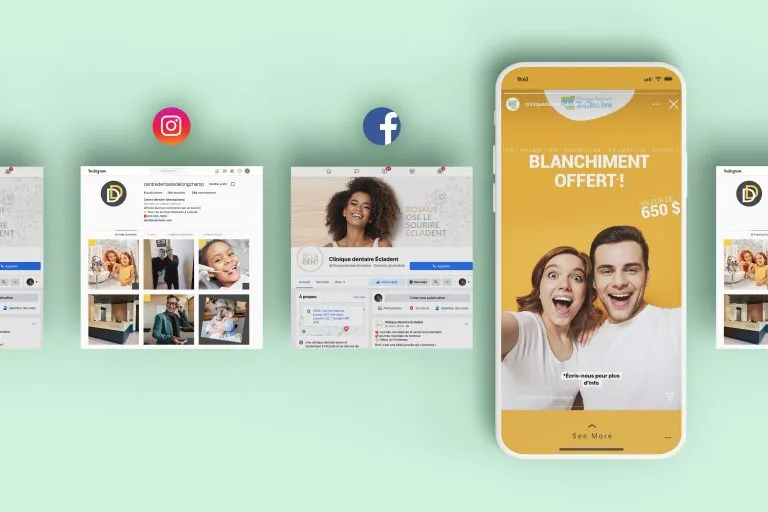

This type of ad, which has been very popular for a few years now, is called native advertising. As we mentioned, these ads fit harmoniously and naturally into different types of content, such as a search result, a video or simply a web page. They are discreet so as not to seem intrusive or be perceived as spam by users. Native advertising thus relies on quality content such as an image, a link, a video or a text to blend into a flow of reading or information without disrupting the user’s experience. Unlike traditional display, pop-up or YouTube video ads, native advertising fits seamlessly into the setting the user is browsing. This integration allows it to achieve better results than conventional ads that invade web pages and disrupt users.
These ads have the advantage of being integrated with the editorial content of the host site on which they appear, closely resembling it. Native advertising is therefore an effective and engaging format that any advertiser would benefit from using.
So what are the characteristics of a successful native ad?
Recent studies prove the effectiveness of native ads. The results show that they have a strong impact on users, particularly by steering their purchasing decisions, what they read and even the sites they’ll visit.
To achieve these results, a native ad must meet a few criteria:
- Match users’ interests by capturing their attention;
- Present interesting, brief and effective content;
- Be integrated as naturally as possible into the host platform so as not to bother the user;
- Carry a “sponsored” or “ad” label.
Native advertising offers a range of advantages, making it an attractive and effective tool for businesses that want to promote their products and services on the web. The Virus Santé Communication team can advise you on the form of native advertising best suited to the needs and objectives of your business in the healthcare field. To take advantage of the many benefits of this form of online advertising, contact us today!