In an environment where consumers are bombarded by dozens, even hundreds, of advertising messages every day, more traditional forms of marketing are becoming less and less effective. Digital video recorders let people skip commercial breaks, print ads are ignored, and so are web banners, which no longer hold the attention of users who are increasingly comfortable surfing the web.
This loss of influence is forcing marketing professionals to find better ways to capture consumers’ attention and, above all, spark their interest. That’s how content marketing was born: an increasingly popular way to interact with consumers.
Content marketing (or brand marketing) aims to attract and hold consumers’ attention by creating and sharing original content that is relevant to its audience. It’s more about creating content that belongs to your brand than renting advertising space, as with traditional media.
The primary purpose of this original content is not to get consumers to buy a product or service. Rather than directly promoting your products or services, the idea is to give consumers information that will change or improve their behaviour. When properly integrated into your overall marketing strategy, this original content, delivered as relevant information, will positively influence how consumers perceive your business.
Major brands from many fields, such as Procter&Gamble, IBM and Dolce&Gabbana, use content marketing. A study by American media research firm PQ Media put global investment in content marketing at more than US$144 billion in 2014. That figure will jump to more than US$313 billion in 2019, an increase of more than 217%!
Marketing in many forms
The content created and shared takes different forms, so content marketing is as accessible to small and medium-sized businesses as it is to large companies.
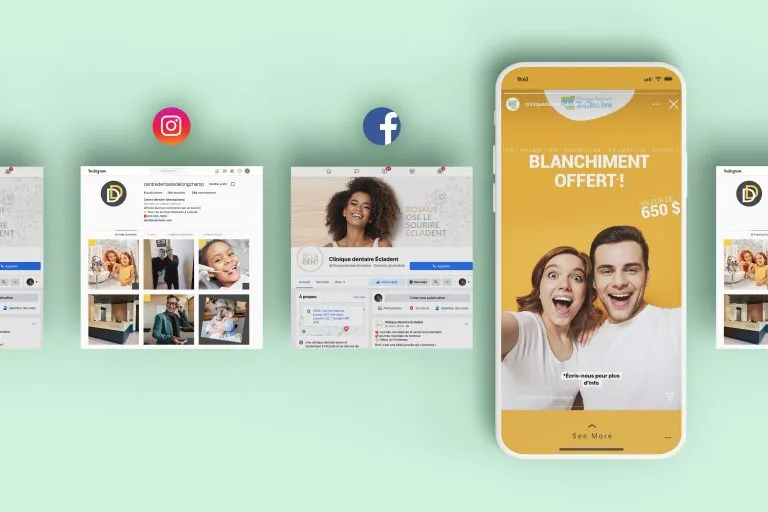
Whether through a blog, apps, print or digital publications, or even a good social media management strategy, the possibilities are almost endless! Here are a few examples of major brands that have created playful content that is no less relevant to their target clientele.
Pineapple Magazine by Airbnb
Online rental giant Airbnb, present in 34,000 cities around the world, launched the print magazine Pineapple Magazine in 2014. It features customer stories alongside articles highlighting the company’s values, all accompanied by photos and infographics with an attractive look and a clear editorial line.
American outdoor brand L.L.Bean is the perfect example of smart use of Pinterest. With 5.1 million users following 33 boards featuring 1,800 pins, L.L.Bean’s marketers have made the most of this popular social network. The brand shares content on various themes, including camping, fishing and wildlife. This content isn’t necessarily centred on the products the company sells; instead, the emphasis is on the activities its customers do with its products.
A giant game of Jenga with Caterpillar
Industrial equipment and vehicle manufacturer Caterpillar uses videos to showcase its products’ features while highlighting its history and values. In the first video shared, various Caterpillar machines combine their specific capabilities to play a giant game of Jenga, in which each block weighs 600 pounds. Although it operates in a technical field that doesn’t seem very playful at first glance, Caterpillar has managed to create original content that delivers its message while motivating consumers to watch the video to the end.
As health professionals, you can easily get started with content marketing without spending a fortune. Rigorously managing your social media according to an editorial line and a detailed calendar, or publishing articles related to your field on a blog, are good ways to communicate with your current and potential clients. Remember: originality and relevance are the watchwords!